
ISTDP Academy Hösten 2026

Hjärtligt välkomna till höstens ISTDP Academy!
Som under våren sker samtliga presentationer 18:30-21 på olika veckodagar från tisdag till torsdag. Deltagande kostar 600 kr för säsongsbiljett, anmälan här: medlem.istdpsweden.se/
Hoppas Du gör oss sällskap, ny eller ånyo!
When Resistance Says No—and the Patient Says Yes
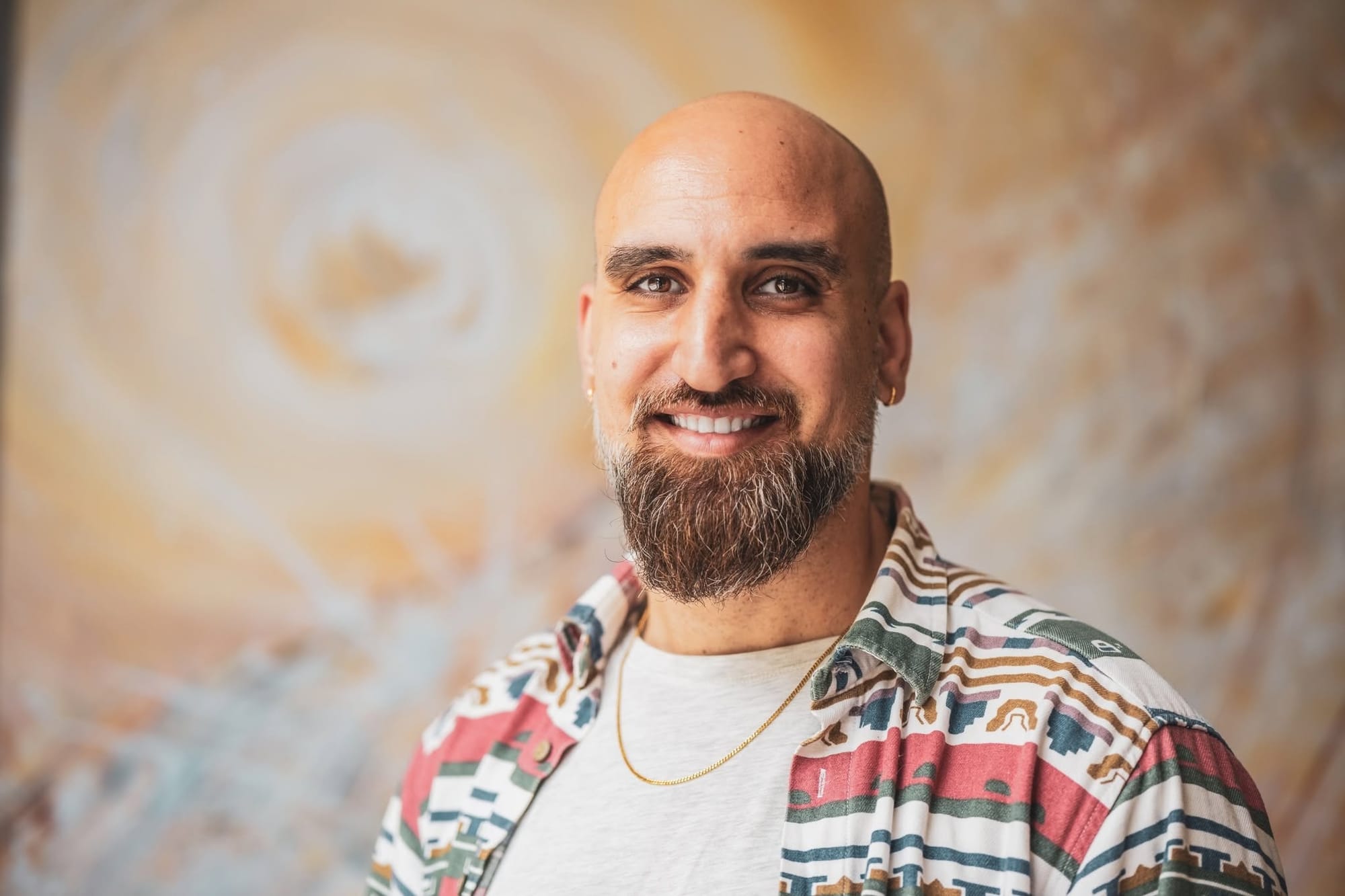
Johannes Ermagan, 3 september:
About the presentation
How can we work with powerful resistance when the patient’s underlying capacity is fragile? This presentation follows a full ISTDP session with a patient suffering from complex PTSD and PTSD, exploring how projection of will can make therapy feel like another relationship in which someone else decides what the patient must do.
Through close attention to the patient’s responses, we will examine how repeatedly returning freedom, choice, and responsibility to the patient gradually transforms “I have to” into “I want to.” As the patient begins to experience the therapeutic work as her own project, collaboration deepens and previously avoided traumatic memories, rage, grief, and attachment pain become increasingly possible to face and integrate.
The session illustrates how respecting resistance does not necessarily reinforce avoidance. Instead, it can help restore the patient’s will—and create the conditions for genuine therapeutic collaboration.
Bio
Johannes Ermagan is a licensed psychologist and a certified ISTDP therapist, supervisor, and teacher. He has more than ten years of experience in adult psychiatry, where he has primarily worked with patients presenting with complex trauma and psychological fragility. Since 2019, he has run his private practice, ISTDP Norrköping.
Johannes received his ISTDP training from Peter Lilliengren, Tobias Nordqvist, and Allan Abbass. Since 2017, he has participated in post-core training under the guidance of Jon Frederickson and has also completed a Training of Trainers program.
Johannes works clinically with patients, supervises therapists, and has extensive experience delivering ISTDP training programs and workshops. He has taught both in Sweden and internationally, including in the United States, Australia, and Portugal.
In his clinical work and teaching, he is particularly interested in how therapeutic interventions can be adapted to the patient’s current capacity to support greater agency, internal integration, and meaningful change. He strives to create a natural and down-to-earth therapeutic dialogue that fosters genuine human connection.
Exploring the Intersection of ISTDP and PACT
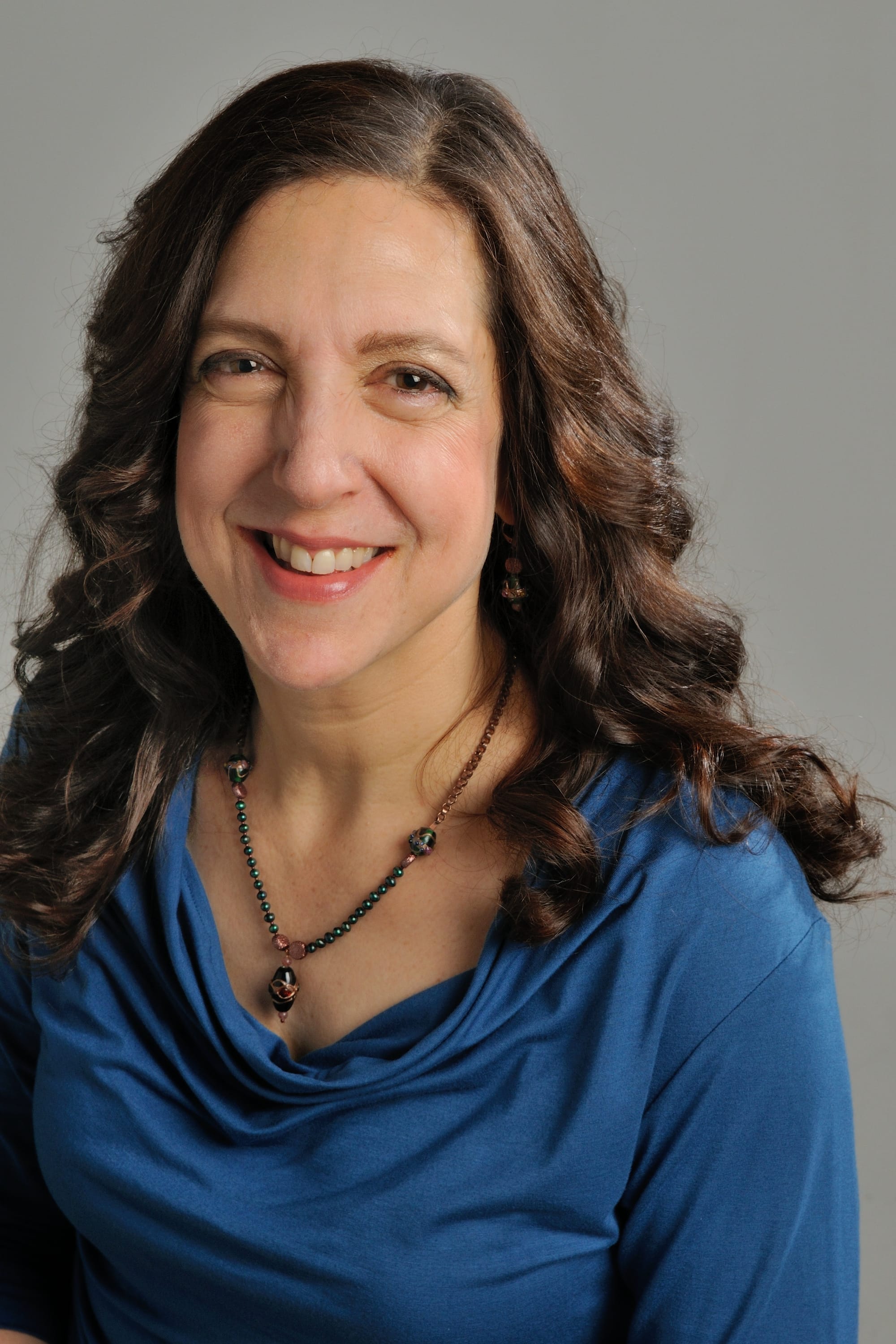
Diane Byster, 5 November:
About the presentation
ISTDP and PACT are both experiential approaches that emphasize facilitating relational safety, regulation of emotional arousal and deactivating defenses in order to build secure attachment.
Through exploring a single case working with partners to recover from betrayal trauma, Diane will demonstrate how she integrated ISTDP and PACT approaches in couples’ therapy. This presentation will include an abbreviated version of a seminar she delivered, detailing the intersection of ISTDP metapsychology and PACT principles of secure functioning for the New Washington School of Psychiatry and ISTDP Australia. She will demonstrate her use of ISTDP and PACT interventions to help partners remain collaborative and cooperative, even while under stress, to maintain safety, security and teamwork for healing relational trauma. Seminar will include PowerPoint presentation, video demonstration, brief experiential exercise and group discussion.
Bio
Diane is certified teacher, clinical supervisor and core training teacher with the IEDTA (International Experiential Dynamic Therapy Association). She serves as adjunct faculty for the New Washington School of Psychiatry, Washington, D.C. She is a Licensed Marriage and Family Therapist, National Certified Counselor and Registered Yoga Teacher.
Diane currently facilitates 5 ongoing supervision groups: two ISTDP (Intensive Short-Term Dynamic Psychotherapy) advanced training groups for colleagues who have completed core training, and two Integrative Couple Case Consultation groups that are informed by multiple treatment approaches including ISTDP and the Psychobiological Approach to Couple Therapy (PACT) and a core training supervision group for students attending the New Washington School of Psychiatry.
Diane served as the lead trainer for a 3-year ISTDP core training program for the Western Canadian Institute for ISTDP from 2022 – 2024. Prior, Diane was a co- facilitator along with Jon Frederickson for the Western Canadian Institute for ISTDP from 2017- 2021 core training program.
A demonstration of Davanloo’s ISTDP
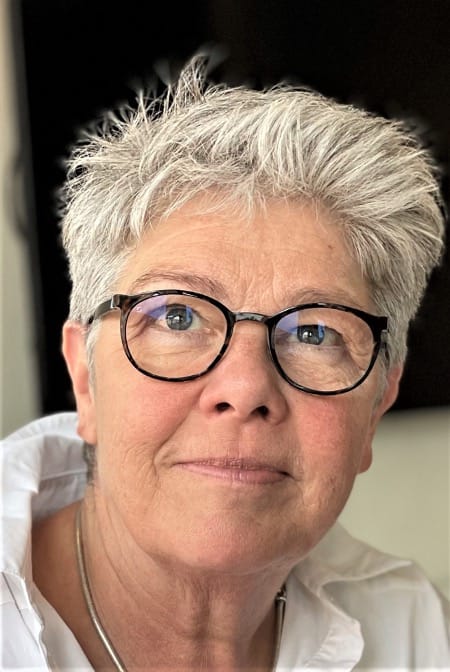
Lisa Jeremiassen, 19 november:
About Lisa
Lisa Jeremiassen began training at the Danish Davanloo Institute in 2006, receiving video supervision of her clinical work from Dr. Sandro Rosseti, an Italian physician, psychiatrist, and psychotherapist. Sandro Rosseti is currently President and co-founder of the Italian Institute for H. Davanloo’s ISTDP, founded in 1996. Jeremiassen has served as President of the Danish Davanloo Institute since 2017 and, since 2012, has participated in mobilization of the unconscious under the guidance of Dr. Rosseti.
About Lisa’s presentation
In her presentation, Lisa Jeremiassen will demonstrate Davanloo’s ISTDP therapy with a full breakthrough of murderous rage.
Excerpts from an Ordinary Therapy Process in an Ordinary ISTDP Practice
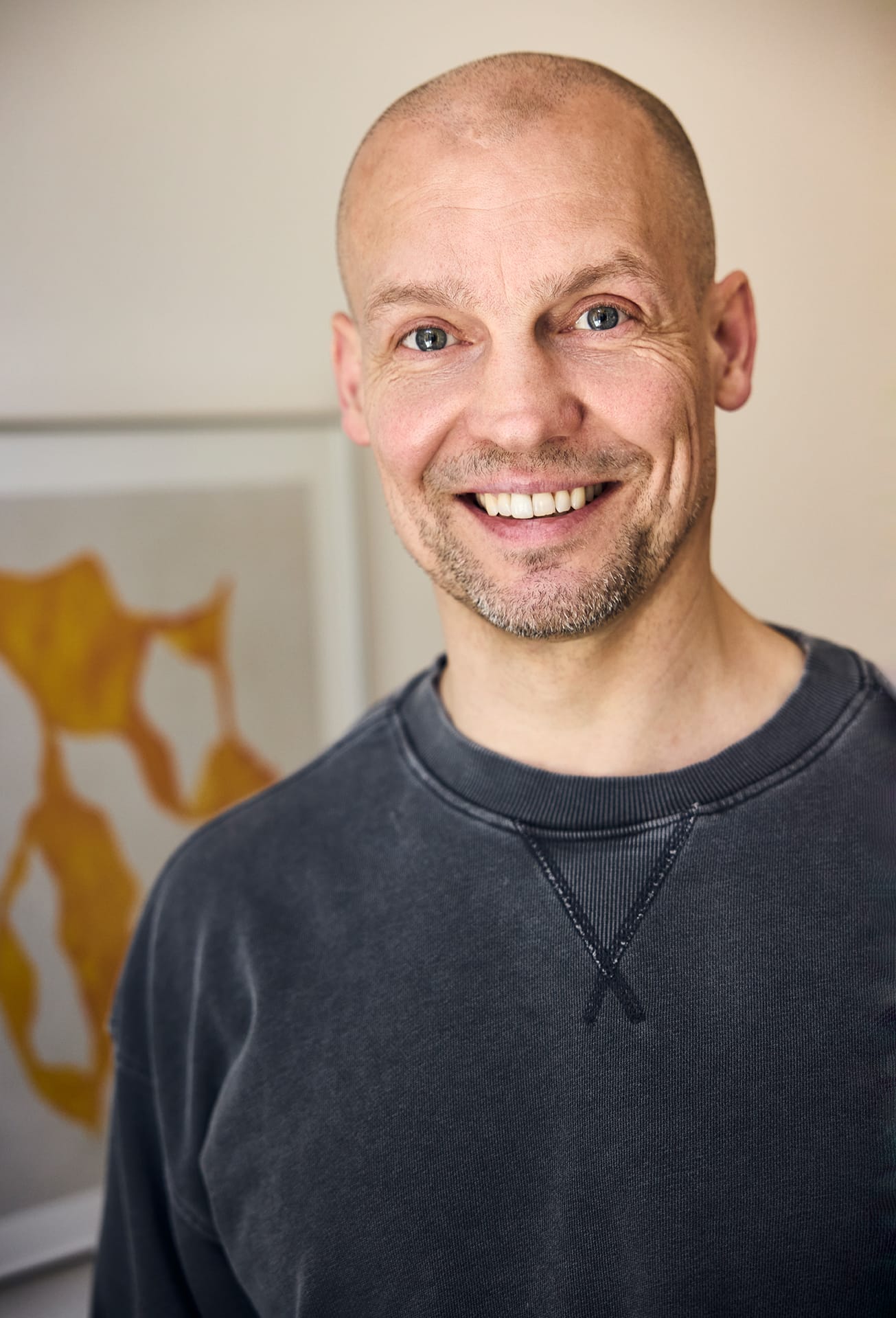
Christian Pasgaard, 2:e december
About Christian
I am a clinical psychologist and specialist in psychotherapy for adults, and I have worked in private practice since 2008. ISTDP has been a central part of my clinical work since I began core training with Patricia Coughlin in 2009. I later completed a three-year training as an ISTDP teacher and supervisor, also with Patricia Coughlin. Since completing my core training, I have received supervision from Jon Frederickson, Allan Abbass, and, most recently, Johannes Kieding. I teach and supervise therapists in ISTDP and have been a partner at the Danish ISTDP-instituttet since 2026.
About Christian’s presentation
In this presentation, I will share video excerpts from a longer-term therapy process. The treatment has been successful in a number of ways: the patient has developed greater access to, and capacity for, her emotional experience, gained greater insight into her own patterns, developed a more coherent narrative of her life, and experienced significant symptomatic improvement. The clinical work itself, however, has not been characterized by many spectacular or particularly dramatic ISTDP sequences. Such sequences can be relatively rare in my own day-to-day practice as well.
What I want to show is mostly the everyday work of therapy — the steady, bread-and-butter clinical work through which change emerged over time. Using video material from the treatment, I will invite us to look at the process together. My clinical choices reflect what I am seeing and understanding in the moment, and we follow how that understanding shapes what I do next. Along the way, we examine how the patient responds, what seems to move the process forward, and what does not.



Diskussion